
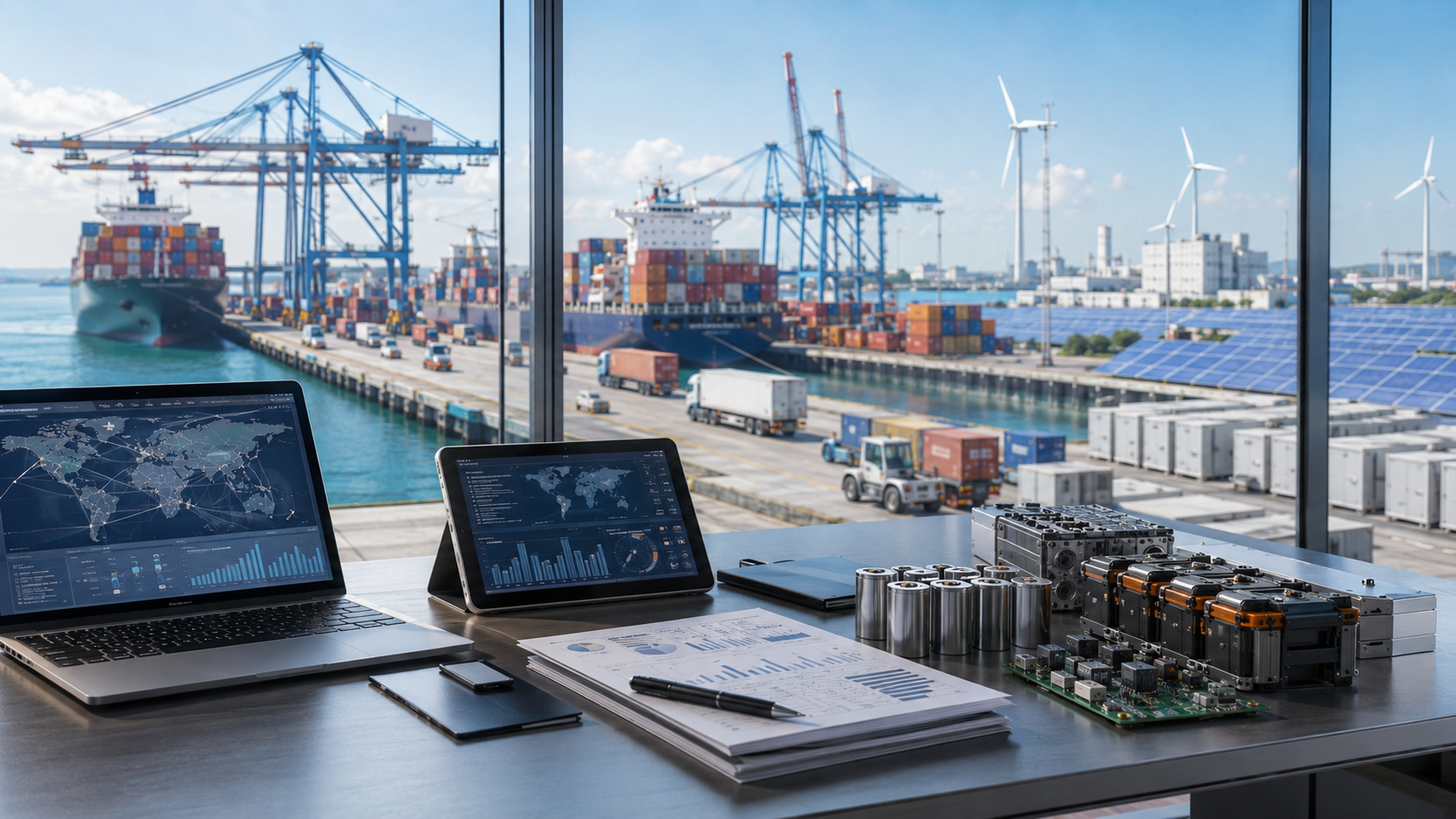
Lithium batteries are no longer only a component of consumer electronics or electric vehicles. They are becoming a critical part of global energy and digital infrastructure. The expansion of data centers, the growth of renewable energy, the development of energy storage systems and the electrification of transport are all increasing demand for batteries and related electronic components.
This shift is changing the role of supply chains. For companies that depend on electronic components, batteries, power modules, control systems and industrial equipment, the main question is no longer only price. Availability, delivery time, documentation, supplier reliability and logistics flexibility are becoming just as important.
One of the strongest drivers of this demand is the growth of data centers. Artificial intelligence, cloud infrastructure and digital services require large amounts of stable electricity. Data centers need reliable power systems, backup capacity and technologies that help manage sudden load changes. Lithium batteries and energy storage systems are increasingly used as part of this infrastructure because they can support uninterrupted operations and improve power stability.
Another driver is renewable energy. Solar and wind generation are growing, but they are not constant by nature. Energy storage systems help balance supply and demand, store excess electricity and support grids during peak loads. This makes batteries not just a product, but a strategic component of the energy transition.
Electric vehicles remain an important part of the market, but the demand structure is becoming broader. Industrial storage, telecom infrastructure, backup power systems, residential energy storage and commercial energy projects are all increasing competition for battery cells, lithium materials and related electronic components.
For businesses, this creates both opportunities and risks. On the one hand, the market for batteries and electronic components is expanding rapidly. On the other hand, price volatility, production bottlenecks, transport delays and changes in supplier capacity can directly affect project timelines and procurement budgets.
This is why international supply of electronic components requires more than simply finding a supplier. It requires market monitoring, supplier verification, documentation control, route planning and reliable logistics execution. When demand grows quickly, the companies that plan procurement early and build flexible supply chains gain a practical advantage.
Kazco Logistics supports clients in the international supply and logistics of electronic components by connecting sourcing, transportation, documentation and delivery into one coordinated process. In a market shaped by growing demand for lithium batteries and energy storage technologies, reliability is not only about moving goods. It is about ensuring that critical components arrive when the business needs them.