
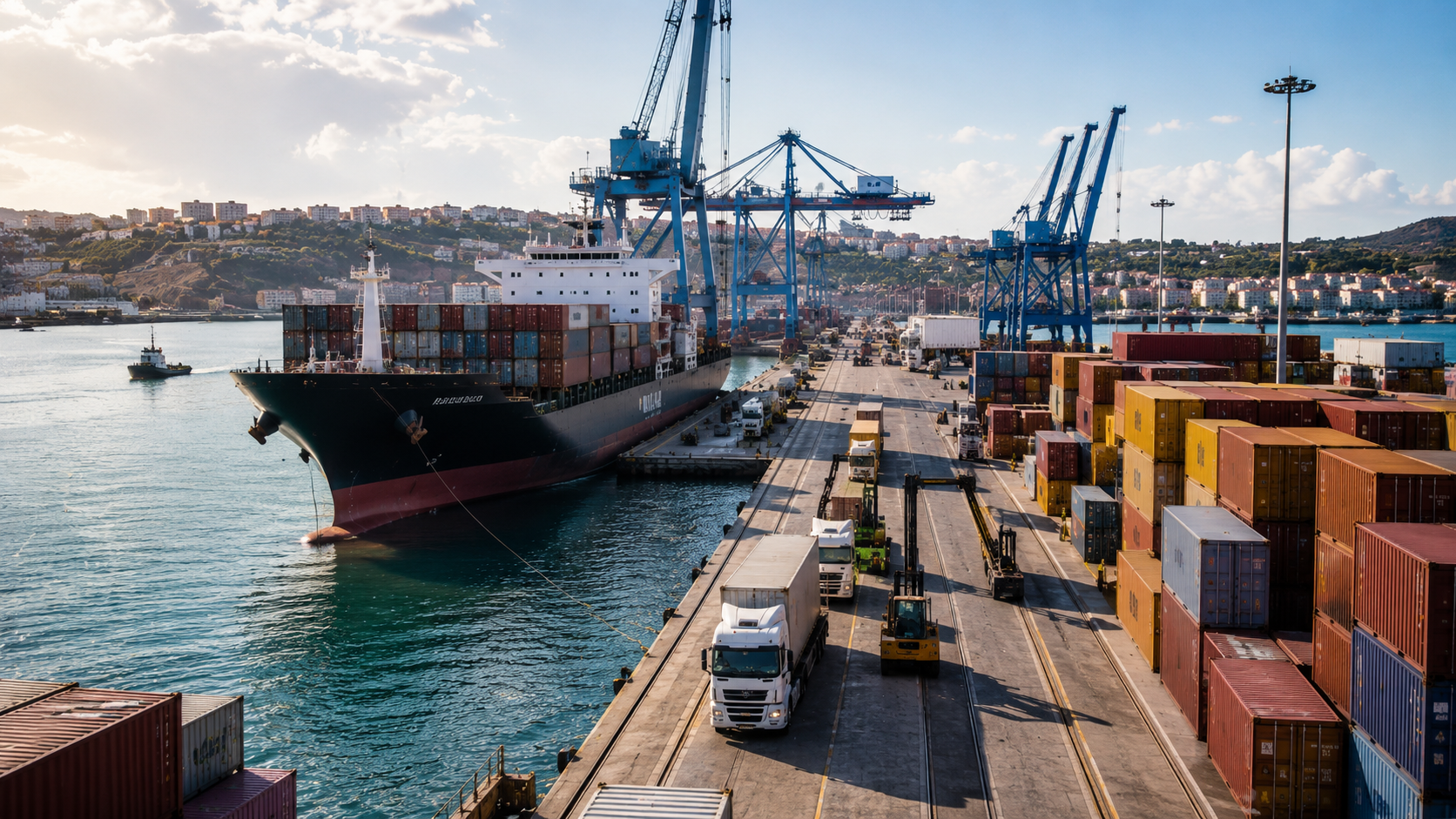
For companies moving cargo through the Black Sea region, port routing remains one of the most important factors behind export reliability. The choice of port, terminal and inland connection can influence not only cost, but also timing, documentation flow and the ability to react when conditions change.
In practice, a port is not simply a point on a map. It is a combination of berth availability, terminal capacity, storage options, rail and road access, cargo handling equipment, customs processes and communication discipline. A route that looks efficient on paper can become expensive if any of these elements is not aligned.
This is especially relevant for agricultural and bulk cargoes, where volumes often move in seasonal waves. When several cargo owners are trying to access the same infrastructure at the same time, early coordination becomes critical. Waiting until the cargo is ready may mean losing the best slots, paying more for storage or accepting less convenient transport options.
Reliable routing begins with a realistic assessment of the cargo itself. What is the commodity? How sensitive is it to timing? Does it require storage before loading? Can it move by rail, road or a combined solution? What documentation is needed before arrival at the terminal? These questions should be answered before the shipment enters the active execution stage.
For exporters, Black Sea logistics also requires contingency thinking. A good plan should include not only the preferred route, but also the next best option. Alternative terminals, adjusted loading windows and flexible inland transport can protect the shipment from avoidable disruption.